How to Recover From a Google Core Update
A core update dropped your rankings and your agency says "wait it out." Here's the actual diagnostic and recovery sequence, in order, with realistic timelines.
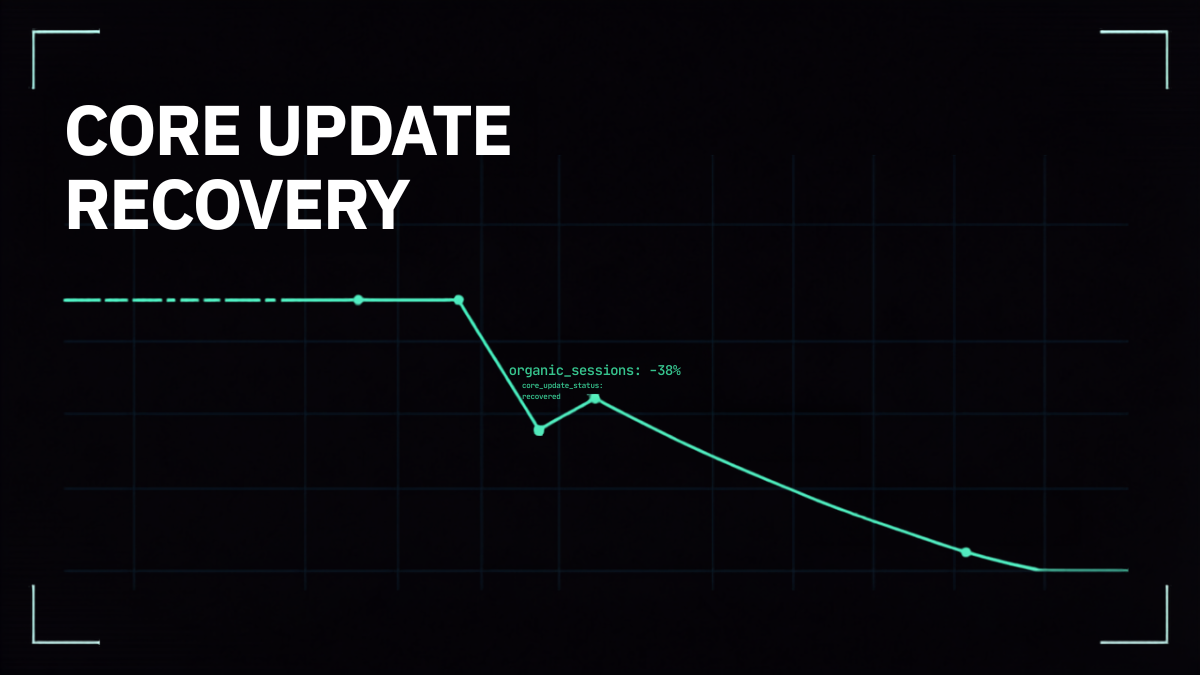
Your traffic fell off a cliff. You checked the date, and yes, it lines up with a Google core update. Now what? Most advice at this point turns into “focus on quality content” and stops there, which is technically true and completely useless without a sequence to follow.
Here’s the sequence, in the order that actually matters.
Step 1: Confirm it’s actually the update, not something you did
Before you touch a single page, rule out self-inflicted damage. Check for an accidental noindex tag pushed during a deployment, a robots.txt change that blocked crawlers, or broken internal links from a URL restructure. Crawlability problems and algorithm impact look identical in a traffic graph but need completely different fixes.
If the technical side is clean and the drop lines up within a week or two of a confirmed core update rollout, you’re dealing with a quality reassessment, not a penalty. That distinction matters because core updates aren’t punishing you. They’re saying Google now trusts a different page more than yours for that query.
Step 2: Find out which pages actually lost, and why
Pull your Search Console data and sort by the pages that lost the most visibility, not the ones that feel most important to you. Then look at what’s now outranking you. This is the step people skip because it’s slower than “just improve the content,” but it’s the only way to know what Google’s newly weighted signal actually is this time.
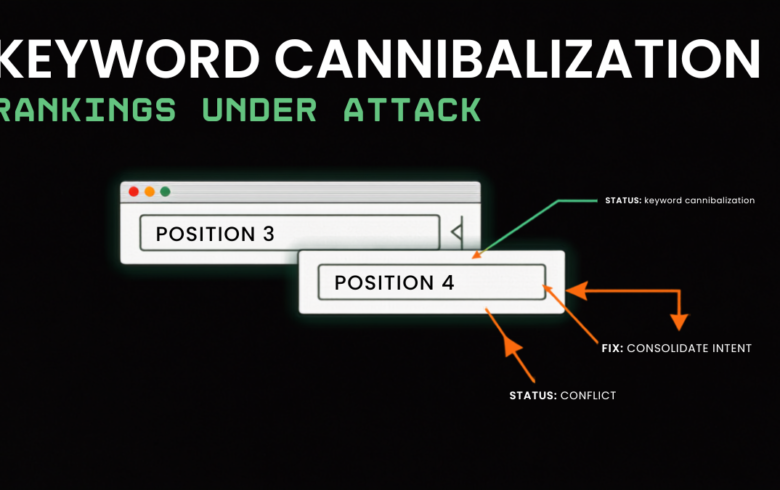
While you’re in there, rule out cannibalization. It’s common for a core update to expose two pages on your own site that were already quietly competing for the same query, and the update just made the split more visible.
Step 3: Fix substance before you touch technical settings
This is the part that frustrates people, because it’s slower than a technical fix. If the drop is content-driven, the path back is improving the actual substance of the page: more original insight, clearer demonstration of experience and expertise, and information genuinely not available elsewhere. Rewriting a title tag will not undo a core update. Adding an FAQ block will not undo a core update. Only the content itself moving up in genuine quality will.
Prioritize the pages that lost the most visibility and that carry real commercial or informational value. Don’t try to fix everything at once.
Step 4: Address content decay separately from update impact
Not every drop tied to an update timeline is actually caused by the update. Content decay, the slow rot of outdated information and stale examples, often coincides with an update simply because Google’s reassessment surfaces the neglect that was already there. If a page hasn’t been meaningfully touched in over a year, that’s your answer regardless of what the update log says.
Step 5: Set expectations and actually monitor them
Recovery from a core update is not instant, and it is not linear. Most genuine recoveries show up over the following one or two update cycles, meaning three to nine months of consistent work, not three to nine months of waiting. Track rankings, click recovery, and conversions weekly so you can tell the difference between “still recovering” and “this approach isn’t working.”
If you see zero movement after four months of real, substantive changes, the honest read is that your diagnosis in step two missed the actual issue. Go back and re-check it rather than doubling down on the same fix.
What not to do
- Don’t redesign the site or delete “underperforming” pages based on panic rather than data.
- Don’t chase a fresh link building campaign as the first move. Links rarely solve a core update drop on their own.
- Don’t ignore the pages that gained. They tell you exactly what Google now rewards, which is more useful than anything in an update announcement.
Run your own audit before assuming the update alone explains everything. Half the recoveries that “worked” were really a technical fix and a quality fix landing at the same time.