On-Page SEO Checklist
Title tags, headers, and meta descriptions are often the only part of your page a searcher reads before clicking. Here's how to get them right, in order.
On-page SEO gets treated like an afterthought, something you fill in after the content is done. That’s backwards. Title tags, headers, and meta descriptions are often the first, and sometimes only, part of your page a person actually reads before deciding whether to click. Get them wrong, and great content underneath never gets the chance to prove itself.
Title tags: the single strongest on-page signal
Your title tag is usually the clickable blue headline in search results. It should contain your primary target keyword, but the phrase itself isn’t what earns the click. Clarity and a tangible benefit do. “Modern SEO Fundamentals: Complete Guide” describes a topic. “Learn SEO Basics Fast” promises an outcome. In direct comparisons, titles that communicate a clear result tend to outperform titles that simply state a subject, even when both contain the same target keyword.
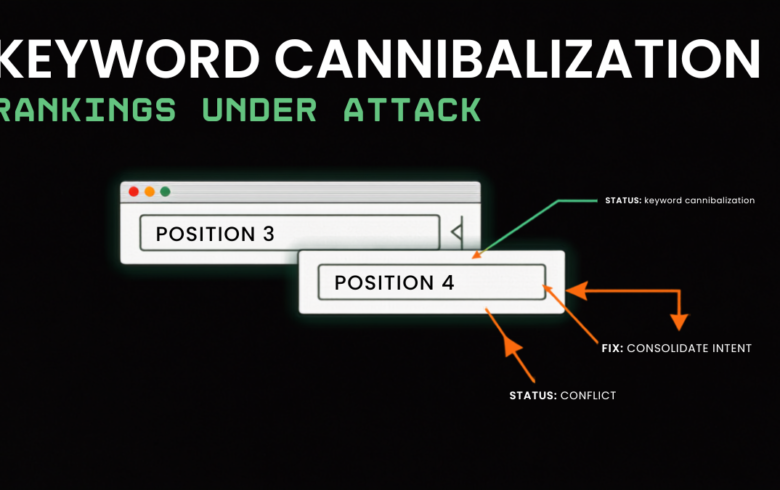
Practical rules: keep it under roughly 60 characters so it doesn’t get cut off in search results, put the primary keyword near the front where possible, and make sure every title on your site is unique. Duplicate title tags across multiple pages confuse both users and search engines about which page actually answers a given query.
Meta descriptions: not a ranking factor, still a click factor
Meta descriptions don’t directly influence rankings, but they directly influence whether someone clicks your result instead of the one above or below it. Think of it as a mini pitch, not a keyword container. A strong meta description reassures the searcher they’re about to find exactly what they need: specific, benefit-focused, and honest about what’s actually on the page. Keep it in the 150 to 160 character range so it doesn’t get truncated, and write a genuinely different one for every page. A templated, repeated description across dozens of pages wastes the one chance each page has to earn a click on its own merits.
Header structure: for readers first, crawlers second
One H1 per page, matching the core topic. H2s breaking the page into its major sections. H3s for sub-points within those sections. This isn’t really an SEO rule so much as a basic readability rule that search engines happen to reward, because a well-structured page is easier for a crawler to parse and easier for a human to skim. If someone can’t scan your headers alone and understand roughly what the page covers, both your readers and Google are going to struggle with it.
URLs: short, readable, and keyword-relevant
A clean URL like /seo-fundamentals-2026 tells both users and search engines what a page is about before they even click. A URL full of random parameters, numbers, and stop words does the opposite. Keep URLs short, use hyphens between words, and include the primary keyword where it fits naturally.
Internal links: connecting pages on purpose
Every important page should be linked to from at least one other relevant page on your site, using descriptive anchor text rather than generic phrases like “click here.” This does two things: it helps crawlers find and understand the page, and it helps readers discover related content they’d genuinely find useful.
The checklist, in order
- Unique title tag under 60 characters, keyword near the front, clear benefit communicated
- Unique meta description, 150 to 160 characters, written as a genuine pitch
- One H1 matching the page’s core topic
- Logical H2/H3 structure that makes sense on its own if skimmed
- Short, readable URL with the primary keyword included
- Internal links to and from other genuinely relevant pages, with descriptive anchor text
None of this replaces good content. It’s the frame around it, the part that determines whether a searcher, or a crawler, ever gets far enough to find out how good the content actually is. Once these basics are solid, the next layer worth checking is whether your site’s technical foundation, speed, structure, and crawlability, is holding everything up properly.